
Finding Your Hudson Valley Wedding Venue
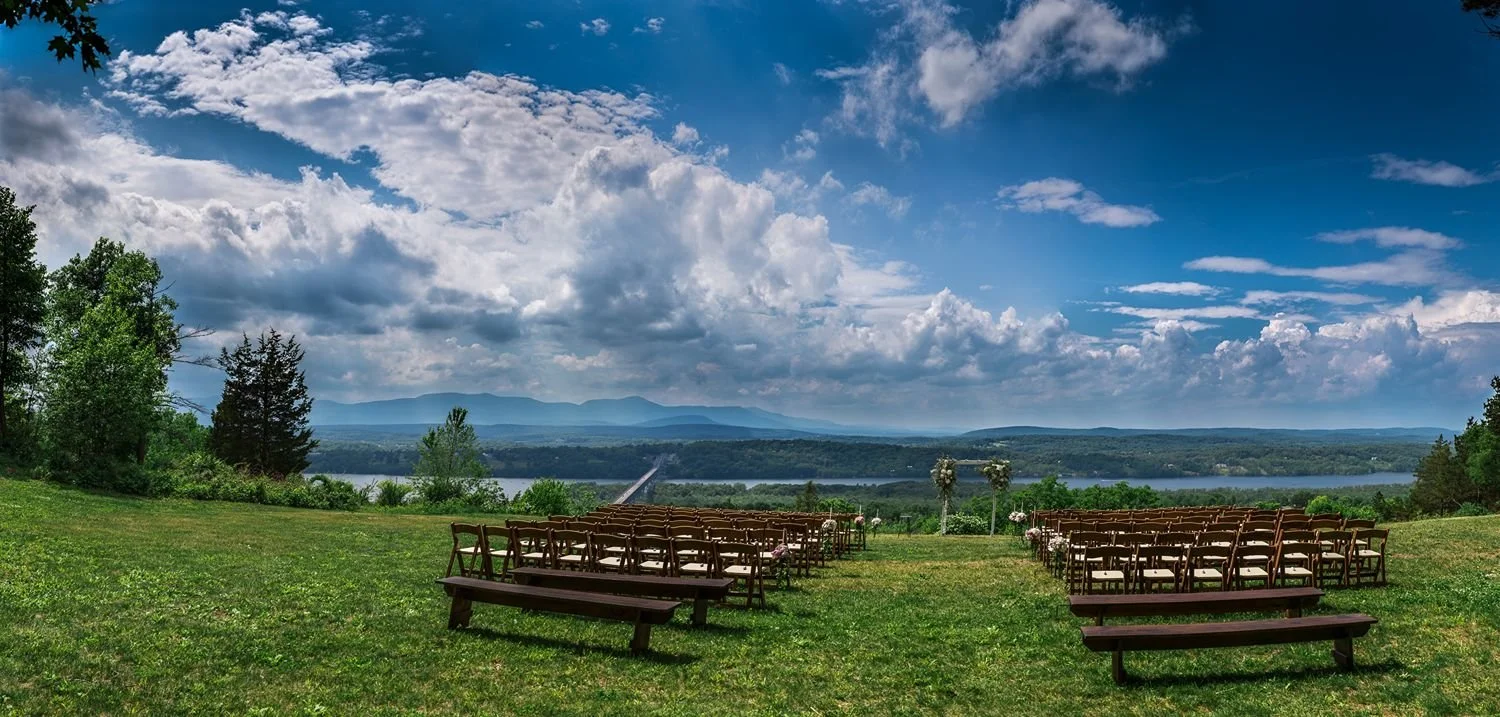
The Hudson Valley and Catskill Mountains have become one of the most sought after wedding regions in the Northeast, and honestly, it makes perfect sense.
It has that destination wedding feeling, without asking your guests to pack a passport, decode an international airport, or spend three days recovering from travel logistics.
For many couples, the Hudson Valley feels like the sweet spot:
Close enough to New York City to be realistic
Scenic enough to feel like a full escape
Filled with historic homes, restored barns, estates, farms, river views, mountain backdrops, and tucked away properties that feel completely different from a traditional banquet hall
Accessible by car, and in many areas, close to train options or train adjacent towns
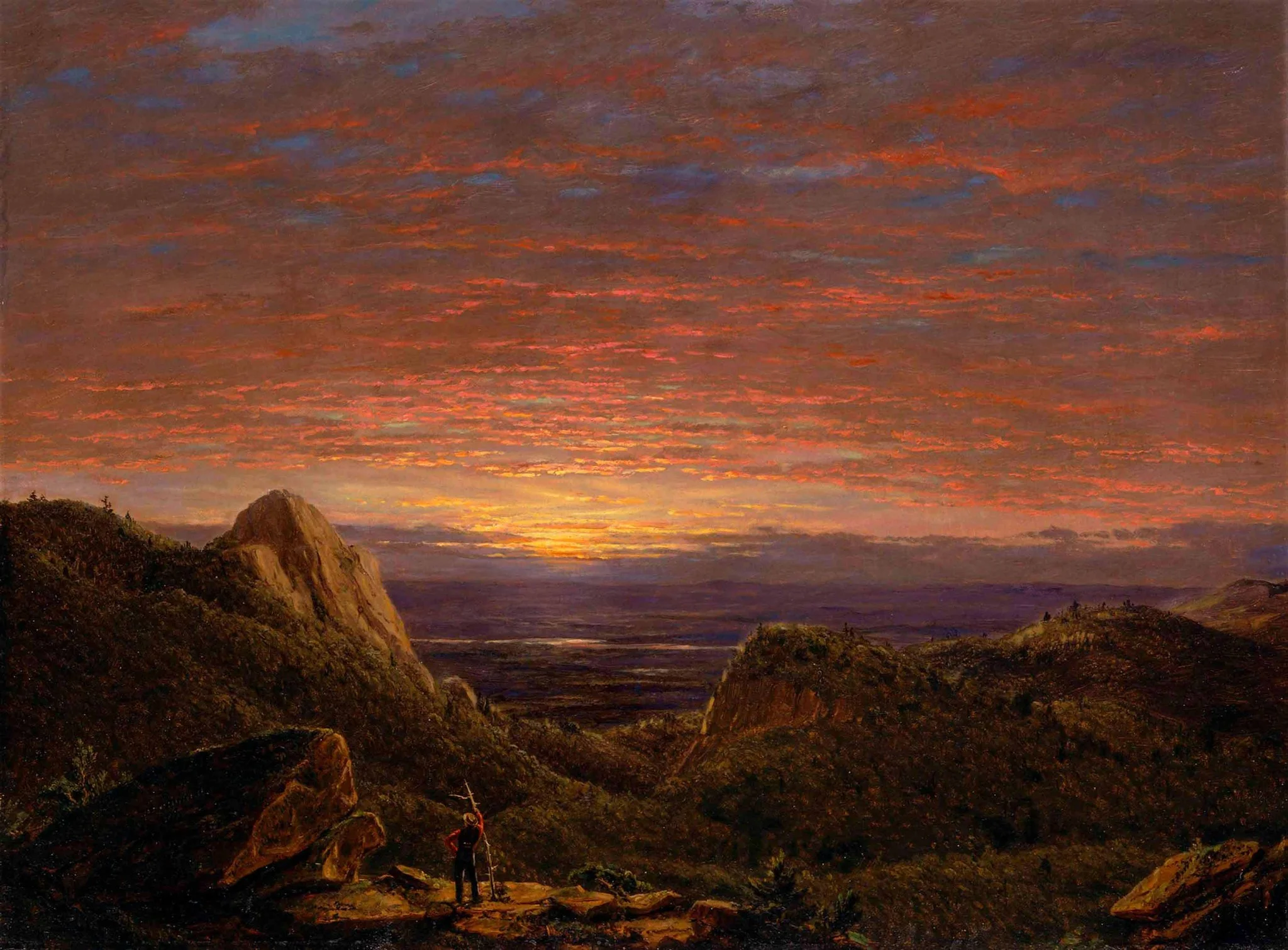
“Morning, Looking East over the Hudson Valley from the Catskill Mountains,” 1848, by Frederic E. Church
And this region has been known for its scenery for a very long time. The Hudson Valley and Catskills were already famous for their dramatic natural beauty back in the mid 1800s, when the Hudson River School painters helped turn these landscapes into some of the most iconic views in American art.
So, yes, the views are doing a lot of heavy lifting here.
But when you are actually trying to find your Hudson Valley wedding venue, the pretty view is only one piece of the puzzle.
As a Hudson Valley Wedding Planner who has been planning weddings throughout the Hudson Valley and Catskill Mountains since 2010, I can tell you that venue selection is one of the most important decisions you will make. It affects your budget, your guest experience, your vendor team, your rentals, your timeline, your design, and the overall stress level of the entire planning process.
No pressure, right?
Why We Start With The Venue First
At Cathy’s Elegant Events, we offer venue selection assistance outside of our full planning contracts because we genuinely believe your venue should come before your final planning package.
Not all weddings are created equal.
Some venues are beautifully streamlined. They include catering, rentals, staffing, tables, chairs, linens, bathrooms, power, lighting, ceremony setup, and all the major pieces you need to host an event.
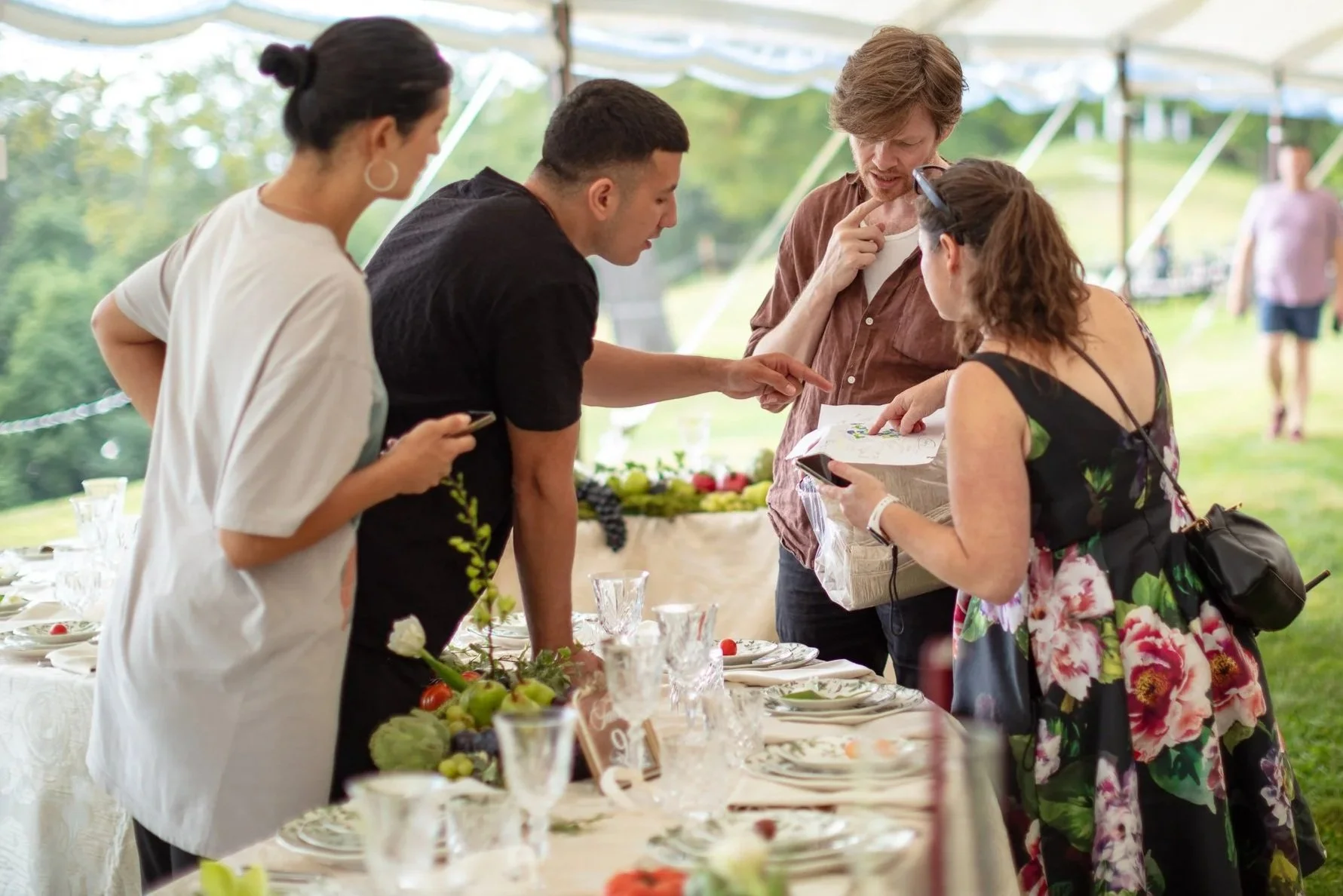
Other venues are more like, “Here is a gorgeous field. Good luck.”
And listen, I love a gorgeous field. My company specializes in non traditional wedding venues. We do not believe in cookie cutter weddings or events, and I personally love working in spaces that are brought to life by a couple’s vision.
But a fully custom wedding venue can mean bringing in everything: Tent, Flooring, Lighting, Generator, Bathrooms, Catering kitchen & equipment, Tables, Chairs, Linens, Place settings, Trash removal, Water, Heat or fans, Transportation, Staffing, Butter knives, yes, even butter knives.
This is why venue selection matters so much. Each venue can require very different levels of planning.
A historic estate, working farm, private property, restored barn, warehouse, museum, or tented site can be absolutely incredible. But the logistics are not the same as booking an all inclusive venue, and your planning support needs to match the actual complexity of the wedding.
First, Make Sure The Venue Is Legally Allowed To Be A Venue
This is one of the biggest things couples do not always think about, especially in the Hudson Valley and Catskills.
Before you fall in love with a property, make sure the venue is legally allowed to host weddings.
That means asking whether they have the proper permits, approvals, and variances from their local municipality to operate as an event venue.
This is not a small thing.
Venues can be shut down, and municipalities typically do not care that there are weddings already booked on the calendar. If a town decides a property is not allowed to operate as an event venue, your wedding date does not magically protect you.
A few red flags to watch for:
The pricing seems unusually low compared with similar venues
The venue has very little history online (especially wedding content)
Their Instagram or social media presence is brand new
They cannot clearly explain their permitting or approval status
They are vague about how many weddings they have hosted
They have beautiful photos, but very little evidence of full scale weddings
This does not mean every newer venue is a problem. It means you need to ask better questions before signing anything.
A pretty barn is not enough. A mountain view is not enough. A beautiful lawn with string lights is not enough.
You need to know the venue is legally able to host the wedding you are planning.
Accommodations Matter More Than You Think
Most couples know they need to think about where guests will stay.
But in the Hudson Valley and Catskills, accommodations can get surprisingly complicated.
One of the most common things I hear is, “We will just have everyone stay in Airbnbs.”
And I get it. There are countless Airbnbs throughout the region, and for guests who want a weekend getaway, that can sound like a great option.
The problem in this particular scenario, is transportation.
Airbnbs are very difficult to organize shuttles for. Some shuttle companies will not even service private homes at all, especially if they are down narrow country roads, long gravel driveways, steep hills, or areas where a large vehicle cannot easily turn around.
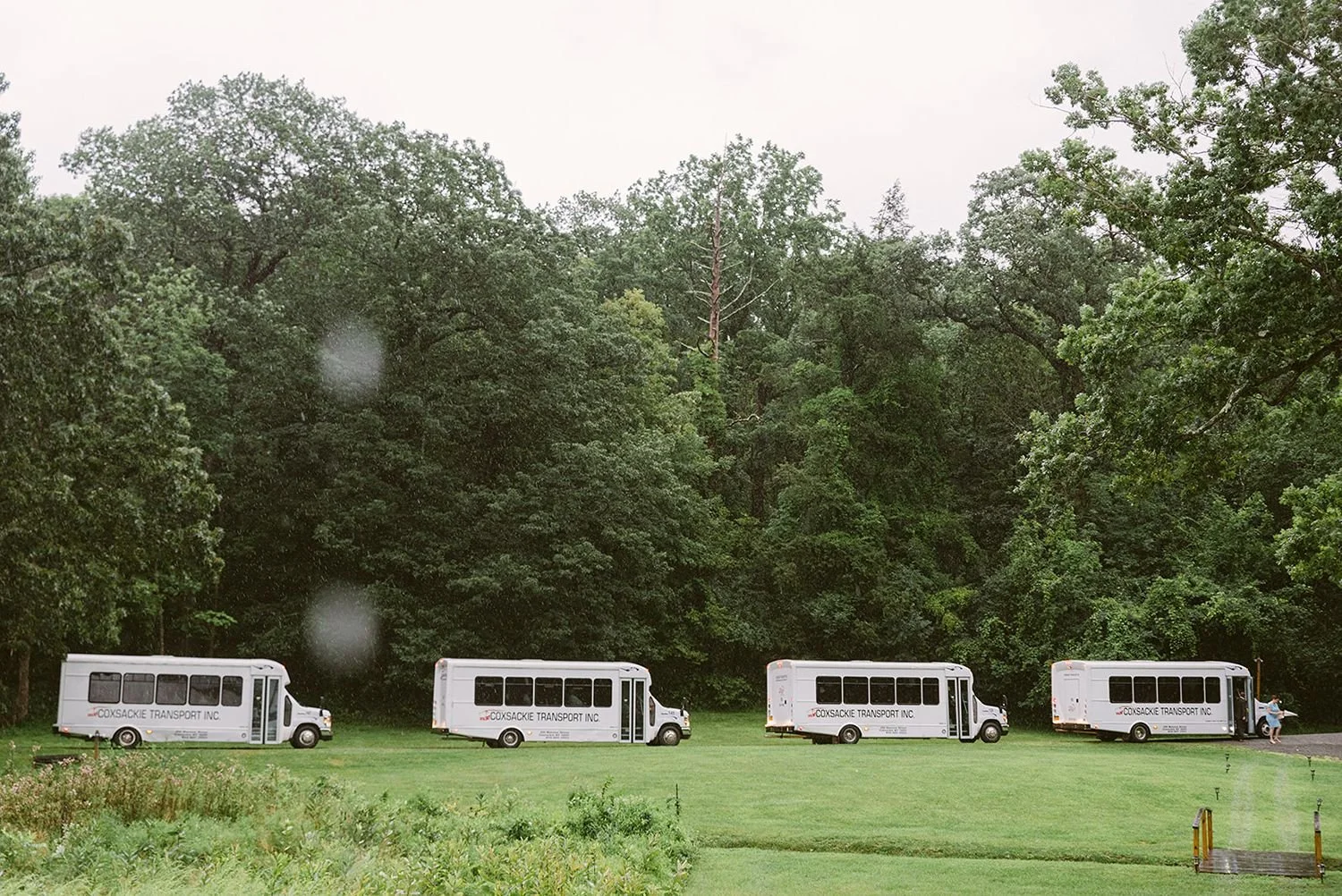
Even when shuttle service is possible, every stop adds time.
A good rule of thumb is to allow 10 to 15 minutes per shuttle stop. That accounts for the bus stopping, guests loading or unloading, and the bus getting back on the road.
So if your shuttle has three Airbnb stops before heading to the venue, you may have added 30 to 45 minutes not including drive time, before anyone even arrives at the wedding.
That matters.
Personally, I do not love guests being on a shuttle for more than about 35 minutes in one direction. After that, it starts to feel less like wedding transportation and more like a field trip where no one packed snacks.
And there is another layer.
In popular tourist destinations like Hunter, Tannersville, Windham, and other Catskills towns, some hotels do not offer traditional wedding room blocks. They often host their own weddings and events, so they hold rooms for those clients instead.
That does not mean you cannot make the location work. It just means you need to understand the lodging reality before you book the venue.
Questions to ask early:
Are there enough hotels nearby?
Do those hotels offer room blocks?
Are there minimum stay requirements?
Are there seasonal rate increases?
How far are accommodations from the venue?
Is there cell service in the area?
That last one is not a joke. In parts of the Catskills, cell service likes to take personal days.
Communication With The Venue Is A Big Deal
When you are choosing a wedding venue, pay attention to how they communicate before you sign the contract.
Are they responsive?
Do they answer questions clearly?
Do they follow up when they say they will?
Do they seem organized?
You are going to need answers throughout the entire planning process. If you have a wedding planner, your planner will need answers throughout the entire planning process.
This matters even more at non traditional venues, where every logistical detail has a ripple effect.
I have worked with venues where management was simply overworked, understaffed, or unable to keep up with communication. It is not always malicious. Sometimes they are lovely people. But if it takes three months to get a contract or weeks to answer basic questions, that is a red flag.
And no, you cannot solve this by asking one giant list of questions at the beginning and hoping you are done.
Wedding planning does not work that way.
Questions come up as the design evolves, as rentals are selected, as catering gets finalized, as transportation is mapped, as the rain plan gets reviewed, and as vendors start asking for site specific details.
When those answers do not come, planning stalls.
I have had situations where I physically had to drive to a venue and knock on the door because we could not get answers to time sensitive questions.
That is not a planning process anyone needs.
Read The Fine Print On Pricing
Most couples have a budget they want to stay within. That is reasonable, and frankly, necessary.
But when you are comparing venues and caterers, make sure you are comparing real totals, not pretty numbers.
A quote might say food and beverage is $175 per person. But then you need to look for:
Sales tax
Administrative fee
Service charge
Staffing charges
Gratuity
Rental fees (most caterers do not include dishware, glassware, flatware, etc)
Ceremony setup fees
Breakdown fees
Kitchen equipment fees
Travel fees
The administrative fee is especially important to understand.
Most of the time, the admin fee is not gratuity. Sometimes this is 15-25% added to the bill.
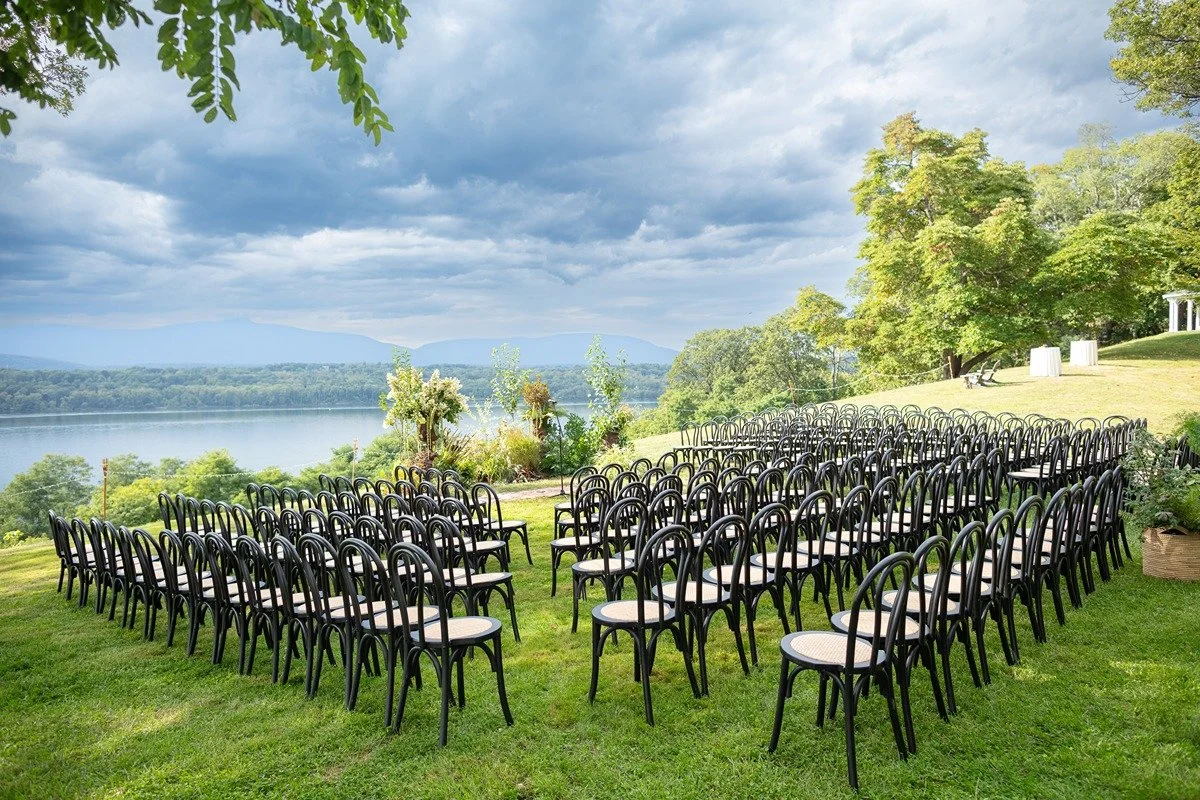
Here is why this matters.
If you have 200 guests and your food and beverage is listed at $175 per person, that starts at $35,000.
Now add sales tax (typically ~8%) and a 20% administrative fee, and you could easily be adding close to $10,000 to the bill.
That is not a tiny detail.
That is a floral installation. That is transportation. That is a photo and video upgrade. That is the difference between staying on budget and wondering how everything escalated so quickly.
You also want to know what the caterer or venue actually sets up.
Not all caterers include ceremony chair setup or even reception table/linen/place setting setup. Not all teams handle breakdown.
Someone has to do those things.
The question is whether that someone is already included, or whether you need to hire additional labor.
Look At How Long The Venue Has Been Hosting Weddings
Whenever I am researching a venue, especially one I have not worked at before, I look at how long they have been operational.
I look at their Instagram history. I look at their website. I look at reviews. I look at the copyright date at the bottom of the website. I look for real weddings, not just styled shoots or baby showers.
Because weddings are their own breed of event.
A baby shower, birthday party, or corporate mixer is not the same as a full wedding day with getting ready, vendor load in, ceremony, cocktail hour, dinner, dancing, transportation, guest flow, weather plans, family dynamics, and a hard end time.

Personally, I try to avoid venues that have not been open for at least two to three years.
That does not mean a brand new venue cannot be wonderful. Some are. But new venues often have growing pains.
They may still be figuring out:
Parking flow
Vendor load in
Power needs
Rain plans
Restroom capacity
Shuttle access points
Noise ordinances
Staffing structure
Trash removal
Catering access
Ceremony transitions
Rental logistics
My job as a wedding planner and designer is to mitigate as many potential problems as possible before the wedding day. That becomes much harder when the venue itself is still figuring out how weddings work on their property.
I do not want my couples to be part of the venue’s learning curve.
Do Not Book A Venue Based Only On Photos
Please visit the venue in person before booking whenever humanly possible.
Photos are helpful. Videos are helpful. Virtual tours are helpful. But they do not tell the whole story.
You need to know what it feels like to arrive there. You need to see the drive in. You need to know if the road is easy to find, if parking makes sense, if the property feels maintained, if anything smells weird, if there are awkward sightlines, if there is a neighbor situation, if the bathrooms are too far away, or if the ceremony location is much steeper than it looked online.
I once had a couple hire me six months before their wedding in a panic because they had booked a venue without seeing it in person. When they finally visited, the mother of the groom was very upset that they had to pass two prisons on the way to the venue.
That may not matter to every couple. But it mattered to them.
They ended up needing to change venues and start over six months before the wedding.
That is not ideal.
Don’t Always Trust the Preferred Vendor List
It seems counter intuitive, because why would a venue have vendors who aren’t top-notch on their list? But, it happens for a wide variety of reasons.
I had couples come to me after trusting a venue recommendation that did not pan out. In one case, the couple had gone with a planner recommended by the venue, but that planner had very little online presence for their own work and had not actually planned the wedding. Three months before the event, the couple had almost no vendors booked.
We got it sorted, and the wedding came together beautifully. But that is not the position you want to be in.
Preferred vendor lists can be helpful, but they are not foolproof.
I once asked a recommended kosher caterer if they had ever worked at the venue before, because there were so many red flags in the conversations we were having. Their answer was yes, once.
And it was not even a wedding.
When I later asked someone at the venue why they were on the preferred vendor list, the answer was basically that they needed a kosher caterer on the list.
So yes, do your due diligence.
How To Make Venue Tours More Manageable
If you are early in your venue search, start by narrowing your list before you tour.
There are hundreds of wedding venues across the Hudson Valley, Catskills, and surrounding New England region. If you try to look at all of them at once, your brain will turn into soup.
Start with your real priorities:
Guest count
Budget
Location
Lodging access
Overall style
Rain plan
Catering flexibility
Level of inclusions
Whether you want a full weekend or one day event
Then put your top venues in priority order.
Once you have your first five, plug them into Google Maps and see what kind of logical route you can create. Depending on distance, appointment times, and daylight hours, you should be able to see several in one day.
Take photos. Take notes. Ask the same core questions at each venue so you can compare apples to apples.
And please, do not rely on memory alone.
After the third venue, every beautiful barn, stone wall, cocktail lawn, and getting ready suite will start to blend together.
The Right Venue Makes The Rest Of Planning Easier
Finding your Hudson Valley or Catskill Mountains wedding venue is not just about choosing the prettiest backdrop.
It is about choosing the place that can realistically support the wedding you want to have.
The right venue should fit your guest count, budget, logistics, design goals, vendor team, guest experience, and planning style.
The wrong venue can create hidden costs, transportation headaches, communication delays, rental surprises, and stress that follows you through the entire planning process.
After 16+ years as a Hudson Valley Wedding Planner, I can confidently say this:
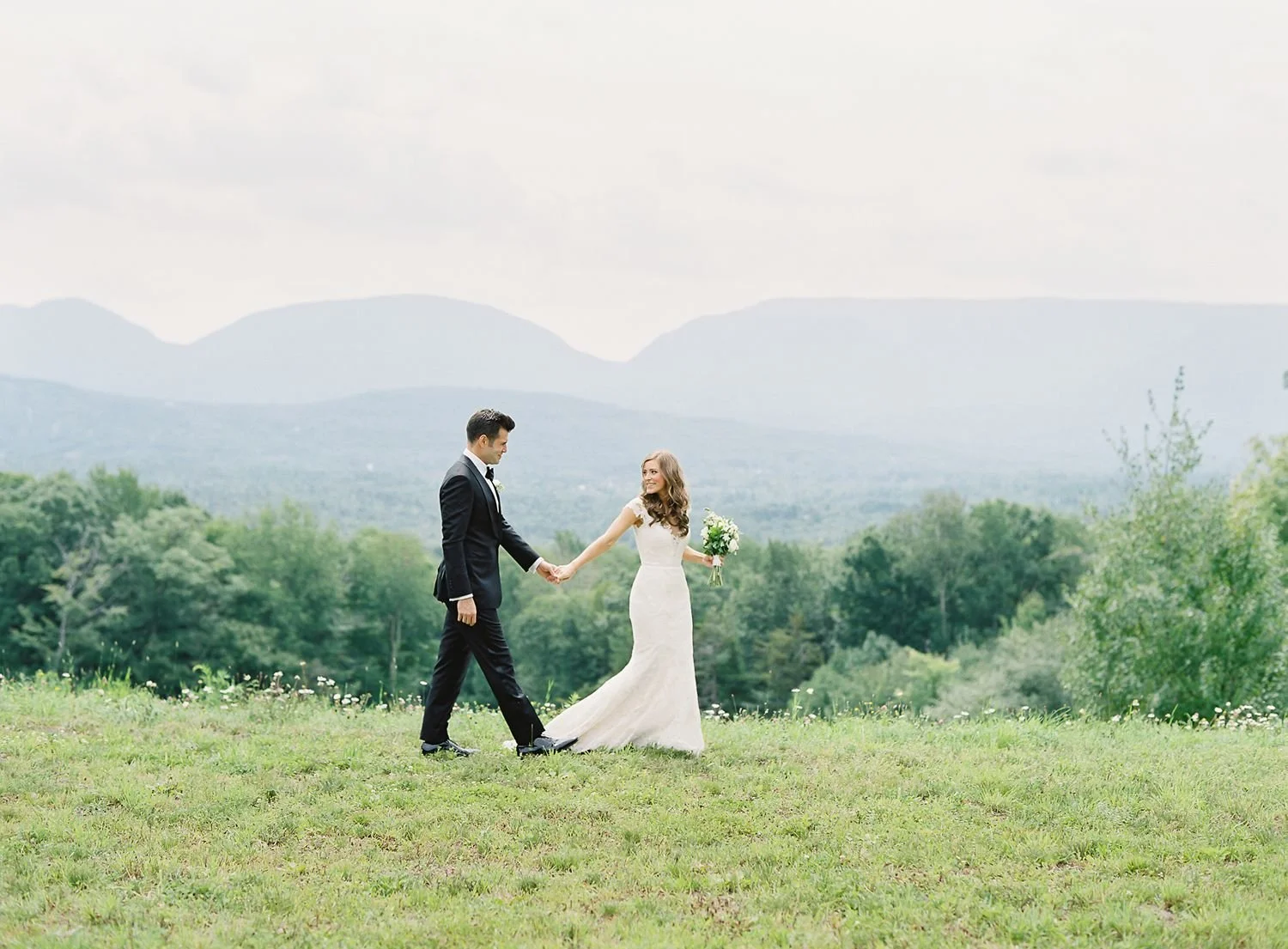
A beautiful venue is wonderful.
A beautiful venue that is organized, experienced, communicative, properly permitted, guest friendly, and logistically realistic is even better.
That is the one you want.
If you are searching for a Hudson Valley or Catskills wedding venue and are not sure where to start, Cathy’s Elegant Events offers venue selection assistance to help you narrow the options, understand the logistics, and find the property that actually fits your wedding.
Because the goal is not just to find a pretty place.
The goal is to find the right place.